scroll
to discover
<<<
scroll
to discover
<<<
CONTEXT
shader study, 3d texture,
visual rendering
TEAM
Individual
YEAR
2026
TOOLS
Blender
Cycles render engine

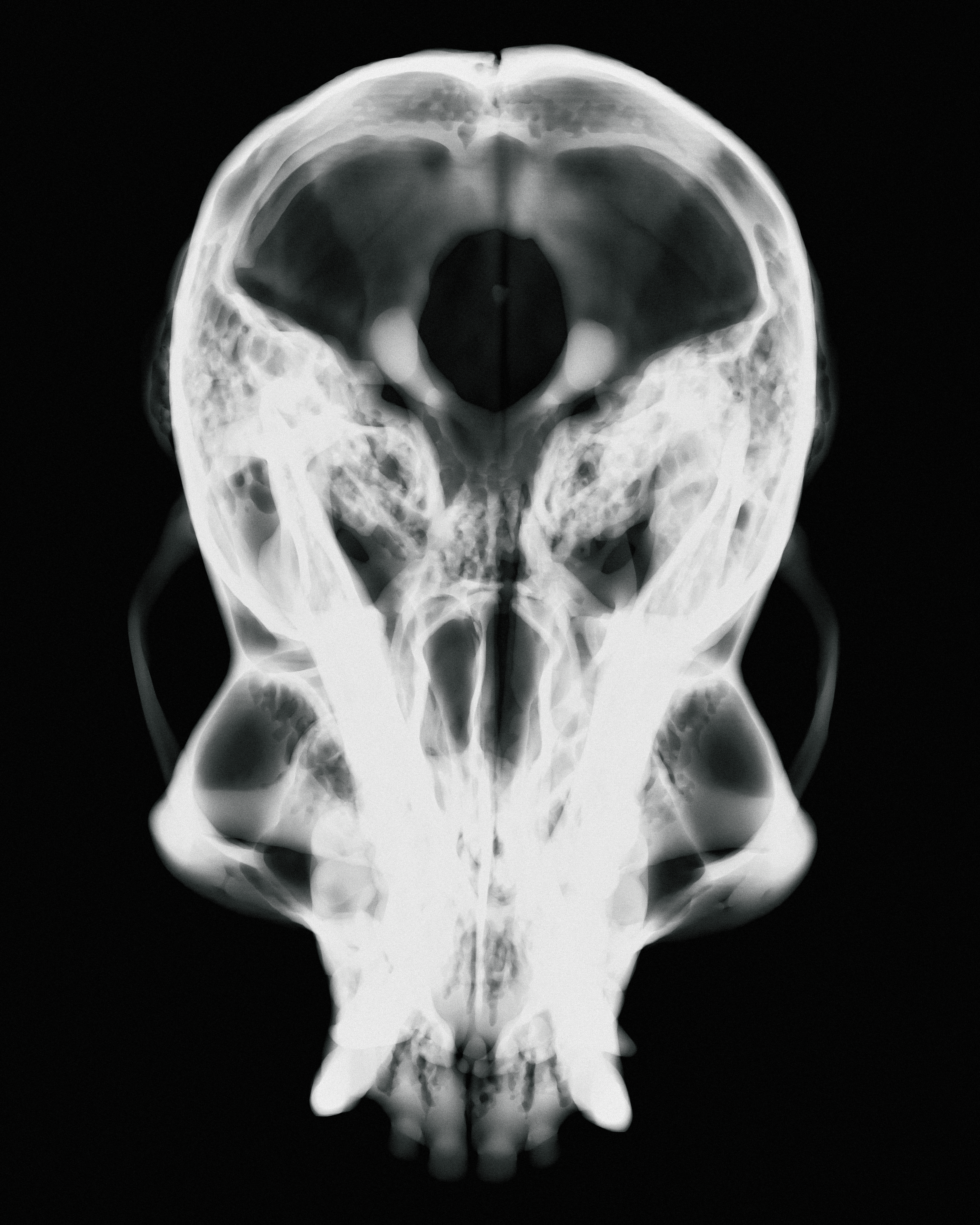
This project explores a custom volumetric shader designed to simulate a CT scan effect on 3D geometries.
By using density-based volume rendering and animated masking, the shader reveals internal structures and layers of any mesh, transforming solid objects into readable spatial sections.
The result is both a technical tool and a visual system, capable of exposing hidden geometries while generating dynamic, scan-like animations.
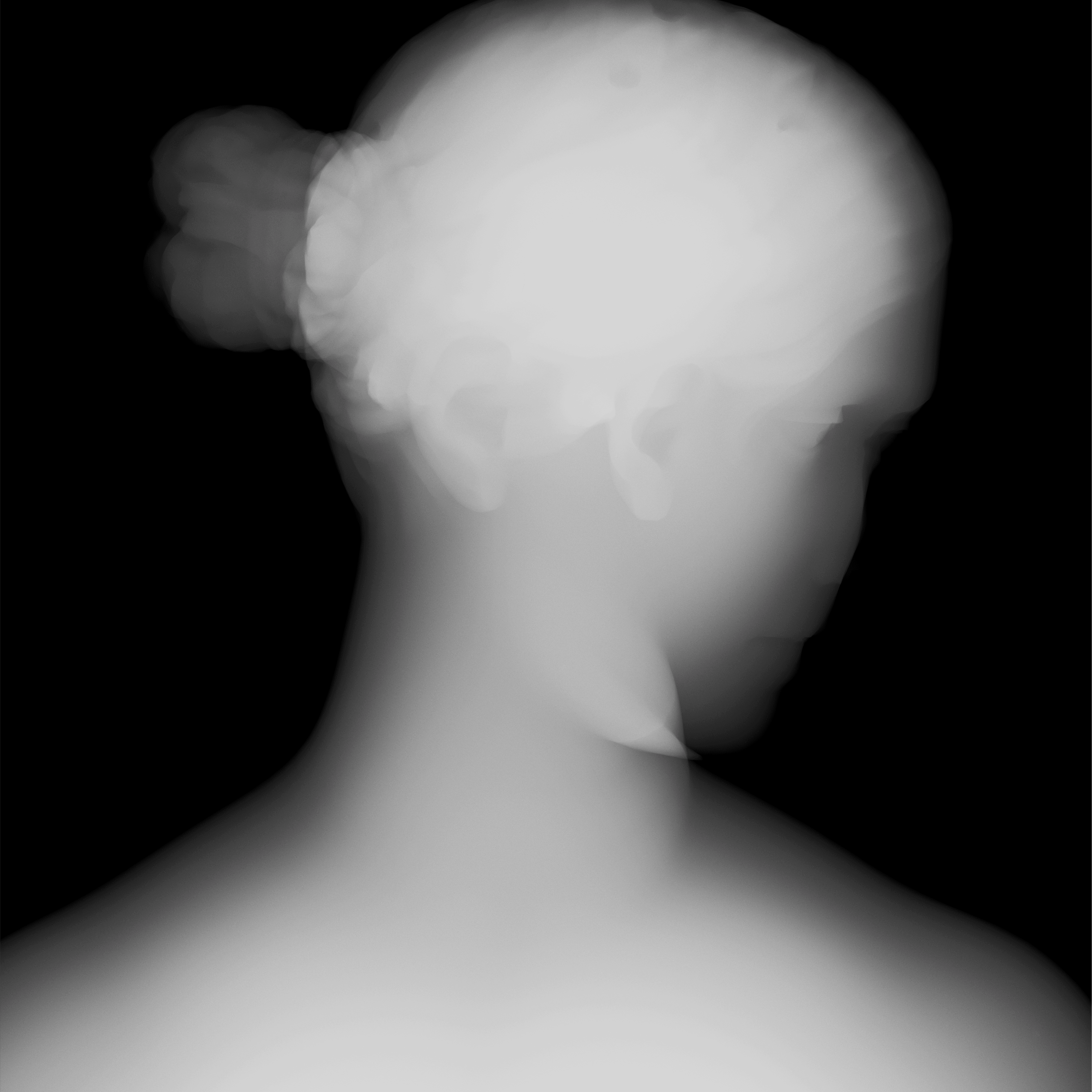
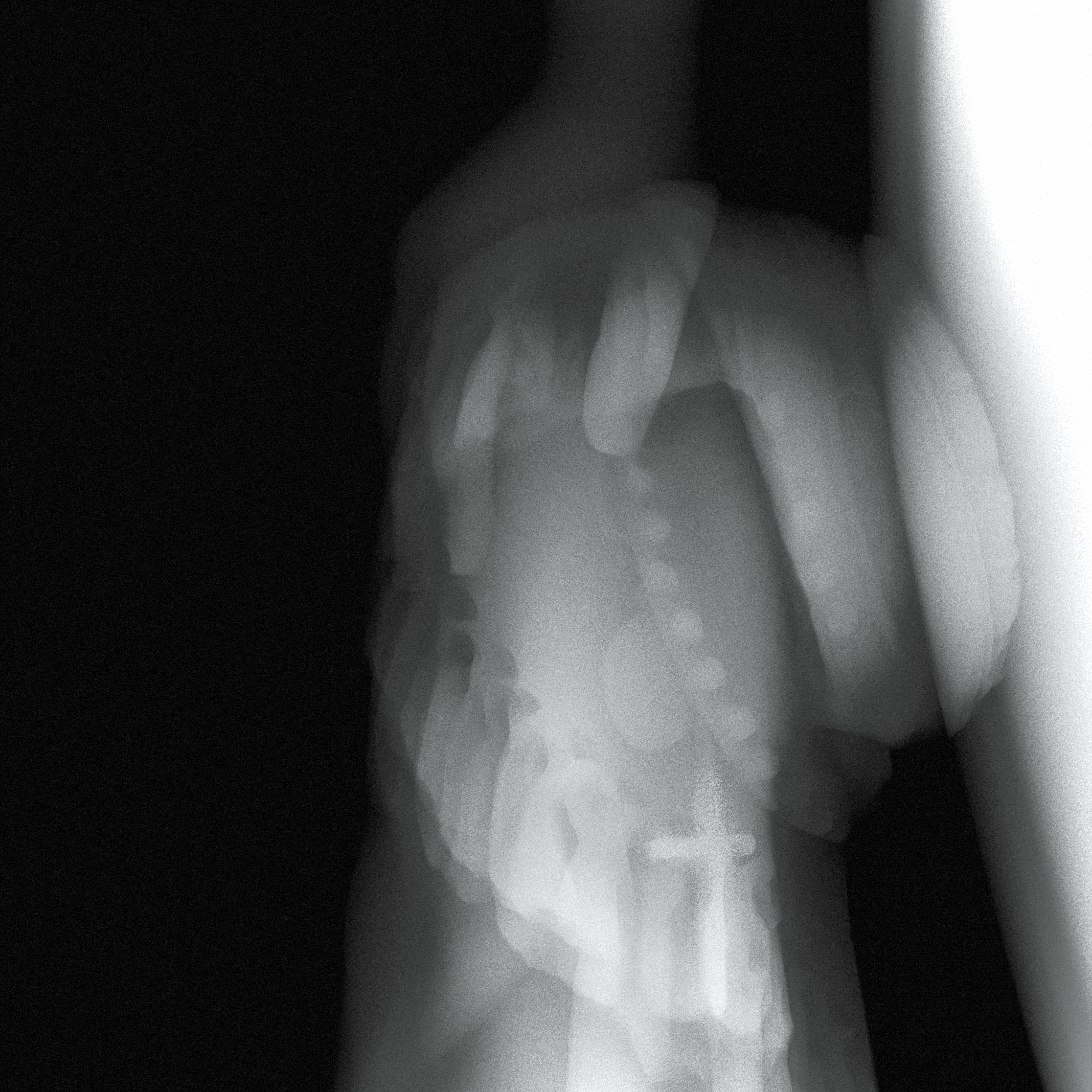

Greek Slave — volumetric study
Volumetric rendering applied to a digitized sculpture, revealing internal density through transparency and light absorption.
Source: Smithsonian 3D collection.
Greek Slave — volumetric study
Volumetric rendering applied to a digitized sculpture, revealing internal density through transparency and light absorption.
Source: Smithsonian 3D collection.
Volumetric scan animation moving along the XZ plane, revealing internal skeletal structures through sectional masking.
Model: Nycticorax nycticorax, Smithsonian archive.
Volumetric scan animation moving along the XZ plane, revealing internal skeletal structures through sectional masking.
Model: Nycticorax nycticorax, Smithsonian archive.
Volumetric scan animation moving along the XY plane, exposing layered bone structures through animated sections.
Model: Nycticorax nycticorax, Smithsonian archive.
Volumetric scan animation moving along the XY plane, exposing layered bone structures through animated sections.
Model: Nycticorax nycticorax, Smithsonian archive.
SHADER STRUCTURE
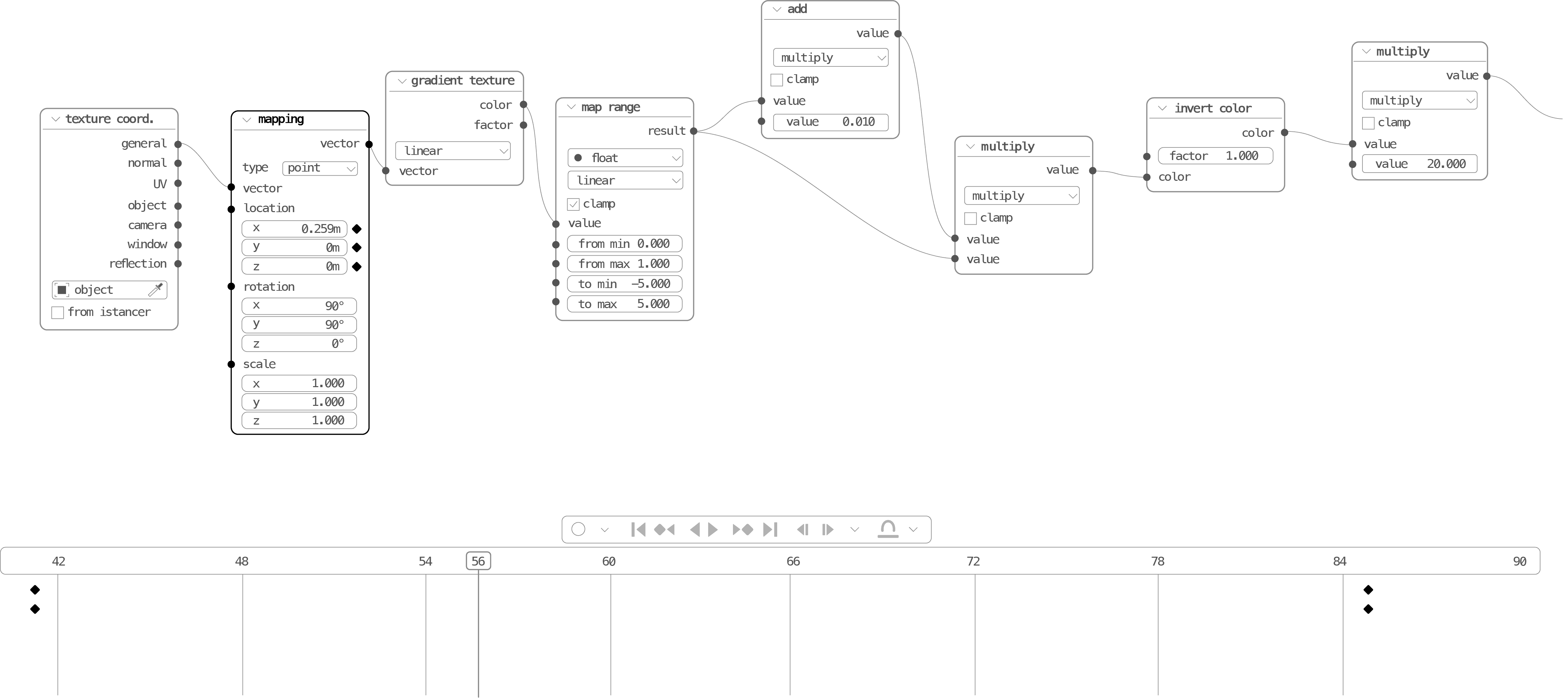
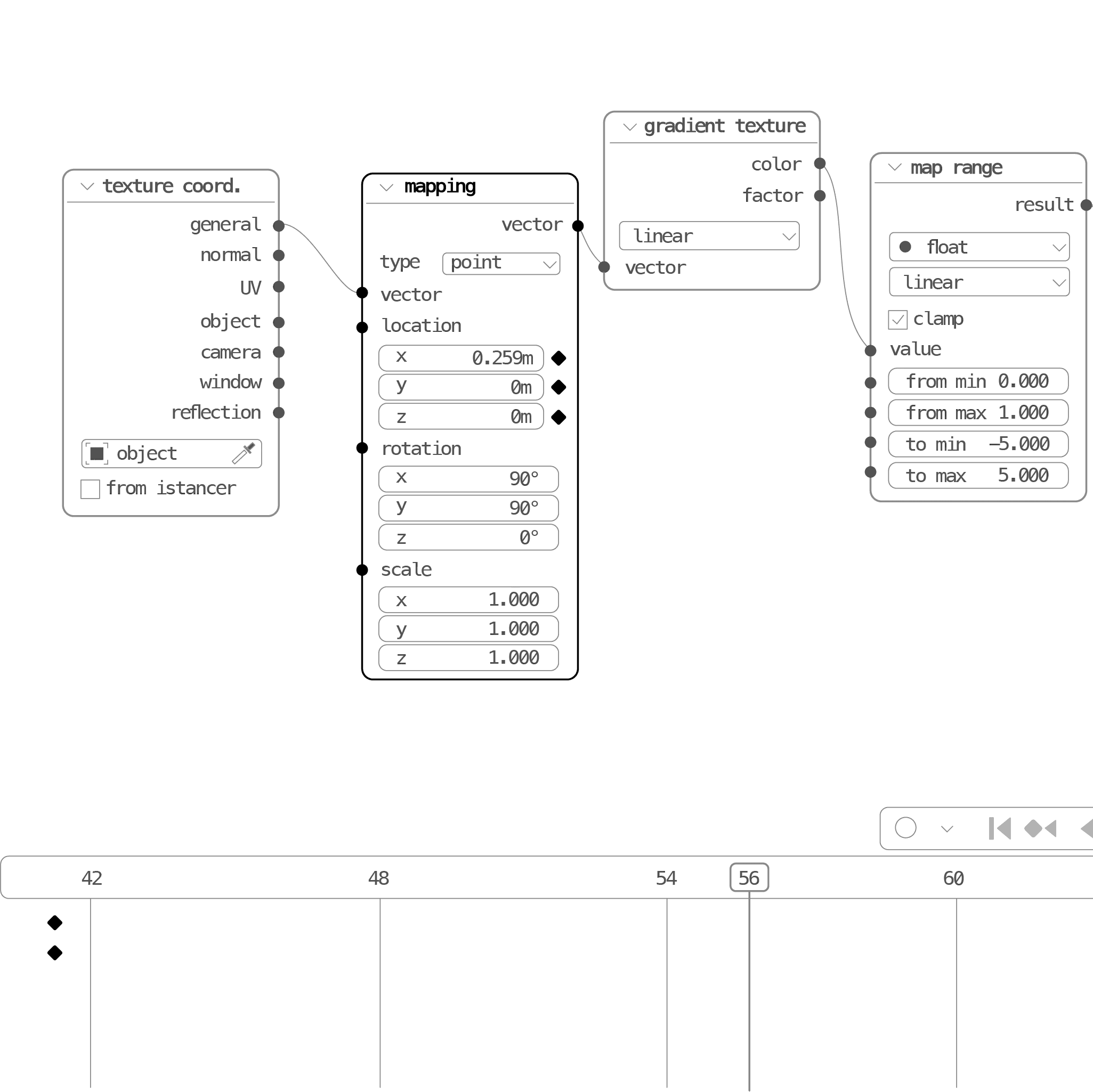
The effect is achieved through a simple volume shader combined with animated masks that isolate thin sections of the mesh over time.
This way we are able to creates a scanning motion across the object, allowing the viewer to perceive depth, structure and internal composition frame by frame.
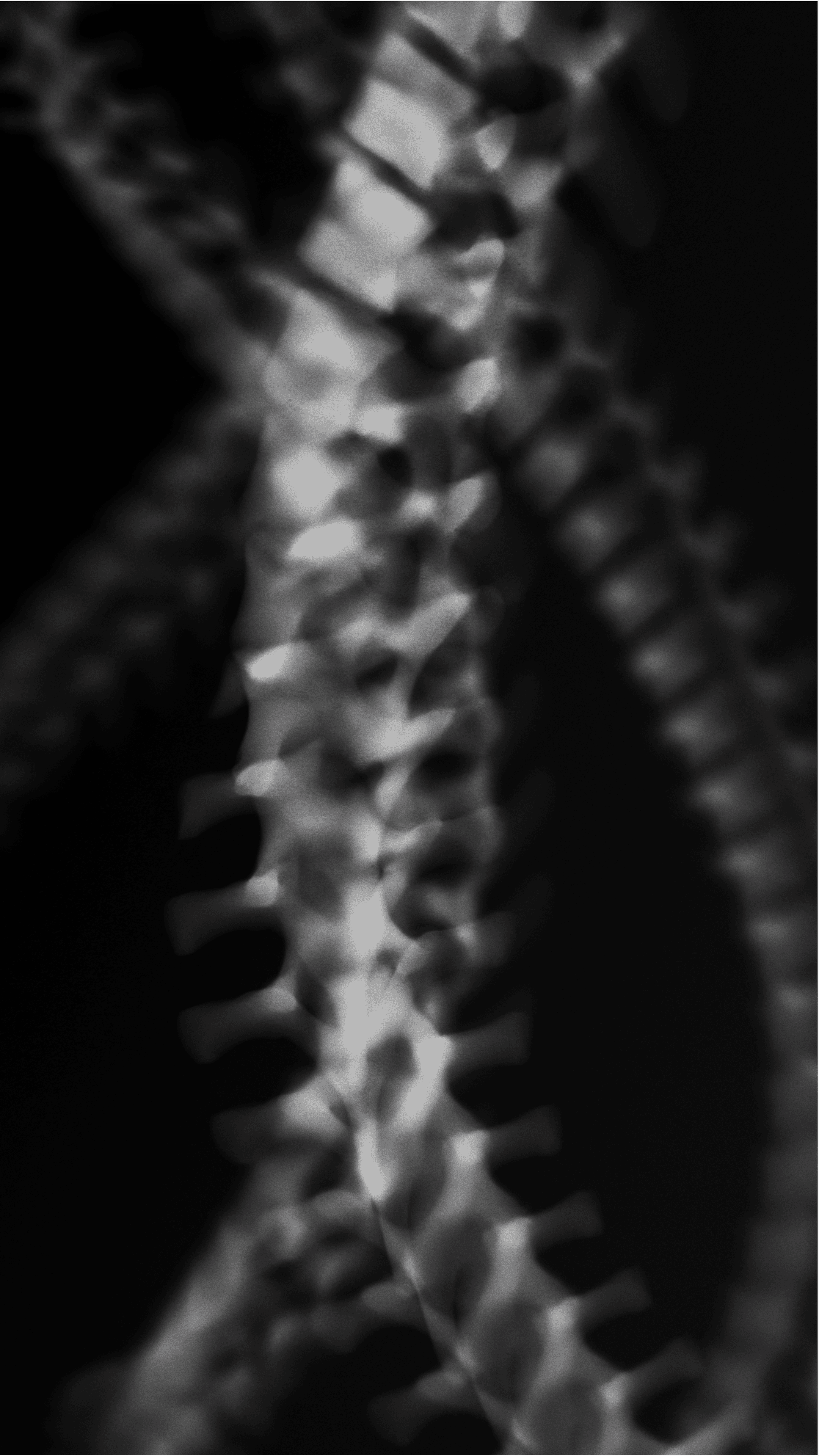
Vertebra — visual study
Animation based on a thoracic vertebra of Odocoileus hemionus, exploring volumetric rendering as a tool for dynamic visual output.
Source: Smithsonian 3D collection
Vertebra — visual study
Animation based on a thoracic vertebra of Odocoileus hemionus, exploring volumetric rendering as a tool for dynamic visual output.
Source: Smithsonian 3D collection
VISUAL OUTPUTS
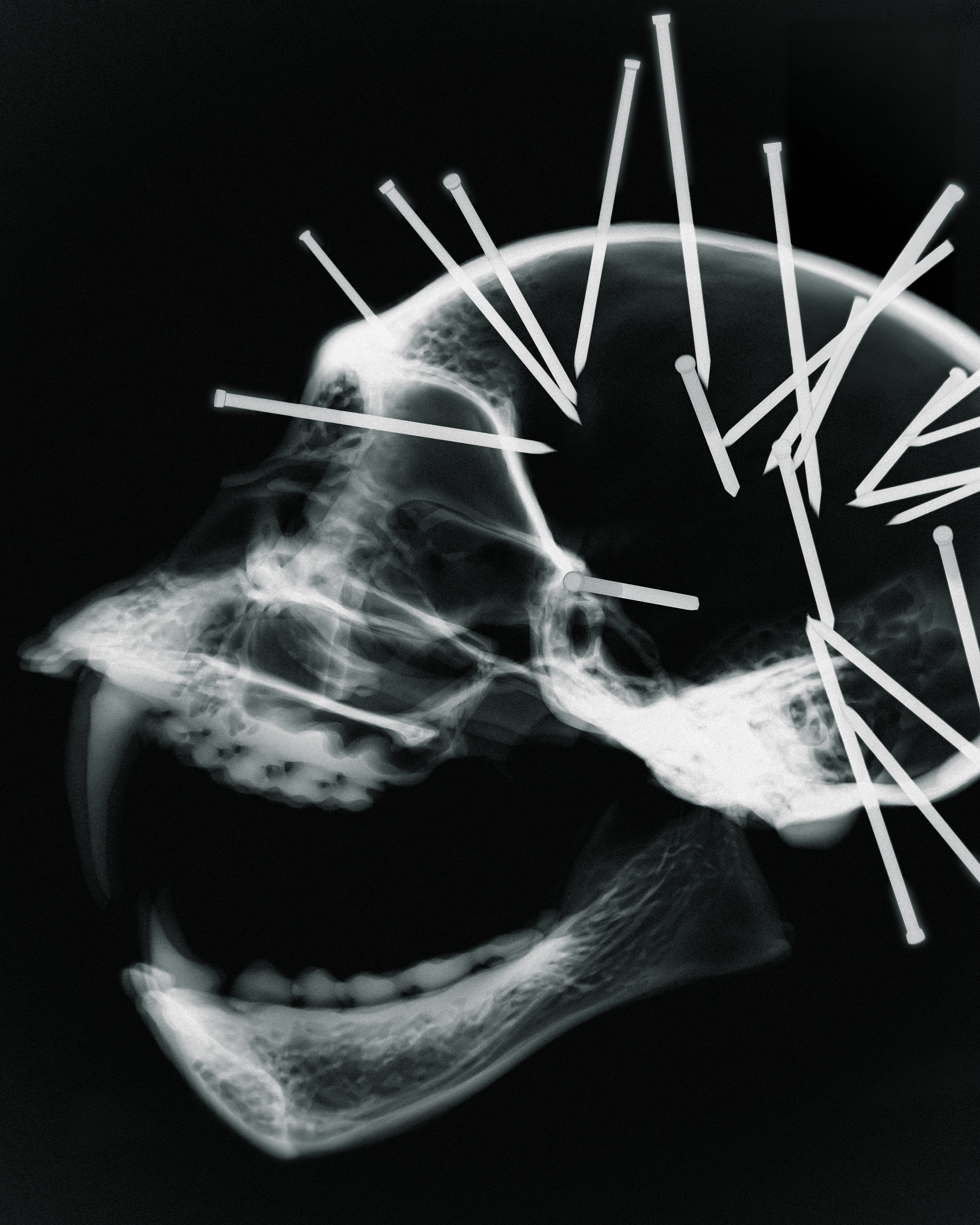
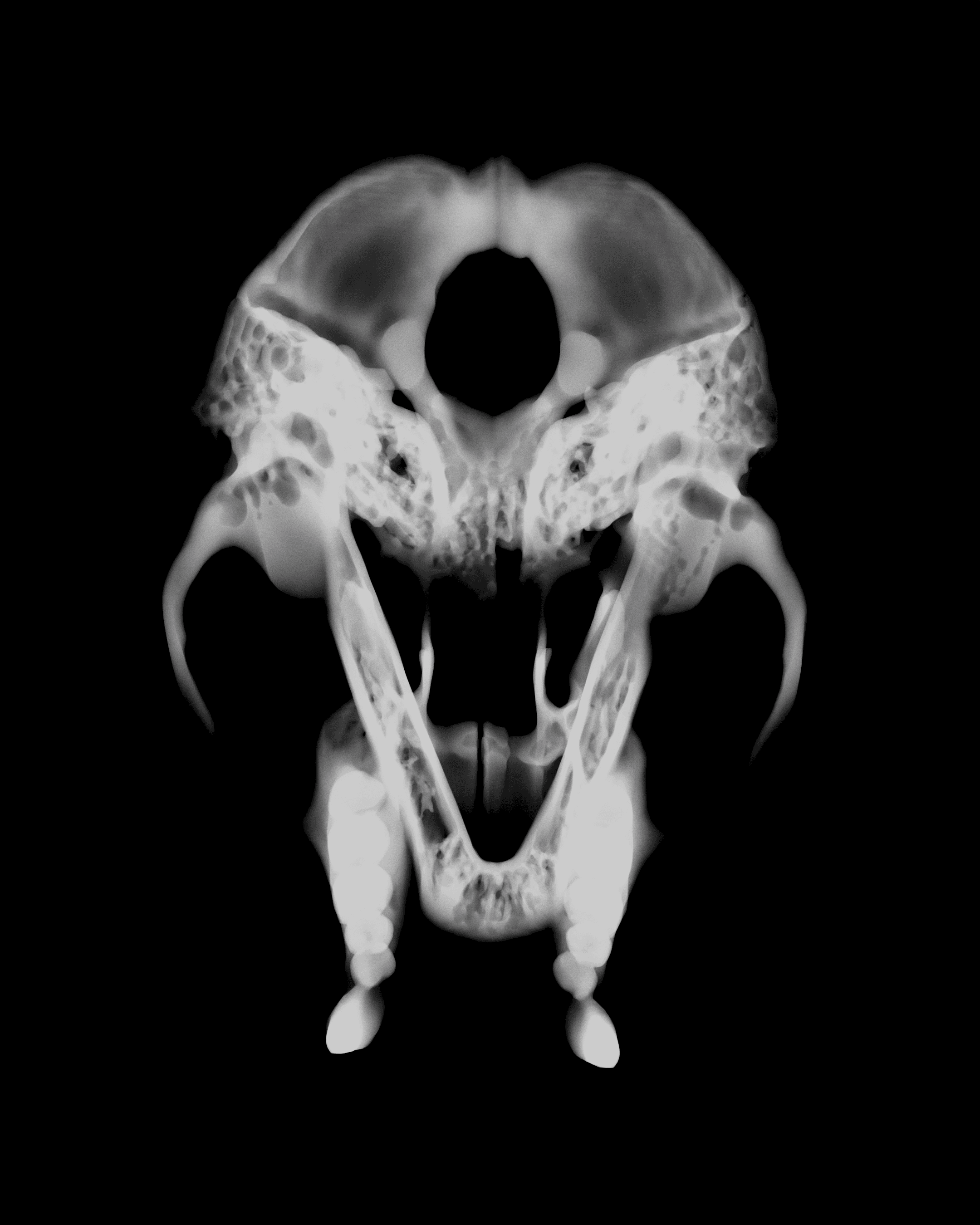
This project explores a custom volumetric shader designed to simulate a CT scan effect on 3D geometries.
By using density-based volume rendering and animated masking, the shader reveals internal structures and layers of any mesh, transforming solid objects into readable spatial sections.
The result is both a technical tool and a visual system, capable of exposing hidden geometries while generating dynamic, scan-like animations.
Volumetric scan animation moving along the XY plane, exposing layered bone structures through animated sections.
Model: Nycticorax nycticorax, Smithsonian archive.
The effect is achieved through a simple volume shader combined with animated masks that isolate thin sections of the mesh over time.
This way we are able to creates a scanning motion across the object, allowing the viewer to perceive depth, structure and internal composition frame by frame.

3D visuals and interior designer
based in Milan, Italy
scroll
to discover
<<<
scroll
to discover
<<<
CONTEXT
shader study, 3d texture,
visual rendering
TEAM
Individual
YEAR
2026
TOOLS
Blender
Cycles render engine
This project explores a custom volumetric shader designed to simulate a CT scan effect on 3D geometries.
By using density-based volume rendering and animated masking, the shader reveals internal structures and layers of any mesh, transforming solid objects into readable spatial sections.
The result is both a technical tool and a visual system, capable of exposing hidden geometries while generating dynamic, scan-like animations.
Greek Slave — volumetric study
Volumetric rendering applied to a digitized sculpture, revealing internal density through transparency and light absorption.
Source: Smithsonian 3D collection.
Volumetric scan animation moving along the XZ plane, revealing internal skeletal structures through sectional masking.
Model: Nycticorax nycticorax, Smithsonian archive.
Volumetric scan animation moving along the XZ plane, revealing internal skeletal structures through sectional masking.
Model: Nycticorax nycticorax, Smithsonian archive.
Volumetric scan animation moving along the XY plane, exposing layered bone structures through animated sections.
Model: Nycticorax nycticorax, Smithsonian archive.
SHADER STRUCTURE
The effect is achieved through a simple volume shader combined with animated masks that isolate thin sections of the mesh over time.
This way we are able to creates a scanning motion across the object, allowing the viewer to perceive depth, structure and internal composition frame by frame.
Vertebra — visual study
Animation based on a thoracic vertebra of Odocoileus hemionus, exploring volumetric rendering as a tool for dynamic visual output.
Source: Smithsonian 3D collection
VISUAL OUTPUTS
This project explores a custom volumetric shader designed to simulate a CT scan effect on 3D geometries.
By using density-based volume rendering and animated masking, the shader reveals internal structures and layers of any mesh, transforming solid objects into readable spatial sections.
The result is both a technical tool and a visual system, capable of exposing hidden geometries while generating dynamic, scan-like animations.
Volumetric scan animation moving along the XY plane, exposing layered bone structures through animated sections.
Model: Nycticorax nycticorax, Smithsonian archive.
The effect is achieved through a simple volume shader combined with animated masks that isolate thin sections of the mesh over time.
This way we are able to creates a scanning motion across the object, allowing the viewer to perceive depth, structure and internal composition frame by frame.
scroll
to discover
<<<
scroll
to discover
<<<
CONTEXT
shader study, 3d texture,
visual research
TEAM
Individual
YEAR
2026
TOOLS
Blender
Cycles render engine
This project explores a custom volumetric shader designed to simulate a CT scan effect on 3D geometries.
By using density-based volume rendering and animated masking, the shader reveals internal structures and layers of any mesh, transforming solid objects into readable spatial sections.
The result is both a technical tool and a visual system, capable of exposing hidden geometries while generating dynamic, scan-like animations.
Greek Slave — volumetric study
Volumetric rendering applied to a digitized sculpture, revealing internal density through transparency and light absorption.
Source: Smithsonian 3D collection.
Volumetric scan animation moving along the XZ plane, revealing internal skeletal structures through sectional masking.
Model: Nycticorax nycticorax, Smithsonian archive.
Volumetric scan animation moving along the XZ plane, revealing internal skeletal structures through sectional masking.
Model: Nycticorax nycticorax, Smithsonian archive.
Volumetric scan animation moving along the XY plane, exposing layered bone structures through animated sections.
Model: Nycticorax nycticorax, Smithsonian archive.
SHADER STRUCTURE
The effect is achieved through a simple volume shader combined with animated masks that isolate thin sections of the mesh over time.
This way we are able to creates a scanning motion across the object, allowing the viewer to perceive depth, structure and internal composition frame by frame.
Vertebra — visual study
Animation based on a thoracic vertebra of Odocoileus hemionus, exploring volumetric rendering as a tool for dynamic visual output.
Source: Smithsonian 3D collection
VISUAL OUTPUTS
This project explores a custom volumetric shader designed to simulate a CT scan effect on 3D geometries.
By using density-based volume rendering and animated masking, the shader reveals internal structures and layers of any mesh, transforming solid objects into readable spatial sections.
The result is both a technical tool and a visual system, capable of exposing hidden geometries while generating dynamic, scan-like animations.
Volumetric scan animation moving along the XY plane, exposing layered bone structures through animated sections.
Model: Nycticorax nycticorax, Smithsonian archive.
The effect is achieved through a simple volume shader combined with animated masks that isolate thin sections of the mesh over time.
This way we are able to creates a scanning motion across the object, allowing the viewer to perceive depth, structure and internal composition frame by frame.